Hair accessories are small purchases with very specific jobs. A claw clip must hold the intended amount of hair, a bow needs a secure attachment, and a headband should stay in place without creating uncomfortable pressure. On SHEIN, styled photos can help with inspiration, but dimensions, construction details, and customer images are what turn a cute accessory into a practical choice.
Match the accessory to the hairstyle
Begin with the style you want to create, not the color. A full twist, half-up style, low bun, face-framing hold, and decorative finish each require different shapes and levels of grip. Write down the two hairstyles you expect to use most. If an item cannot clearly support either one, it is probably not filling a real need.
- Full updo: prioritize usable clip length, strong interlocking teeth, and enough interior space for your hair volume.
- Half-up style: look for a smaller clip or barrette that closes without trapping too much hair.
- Decorative bow: check whether it attaches with a clip, elastic, pin, or scrunchie and whether that method suits the placement.
- Hairline control: assess headband width, inner texture, flexibility, and the coverage needed for short layers.
Claw clips: size is only one part of hold
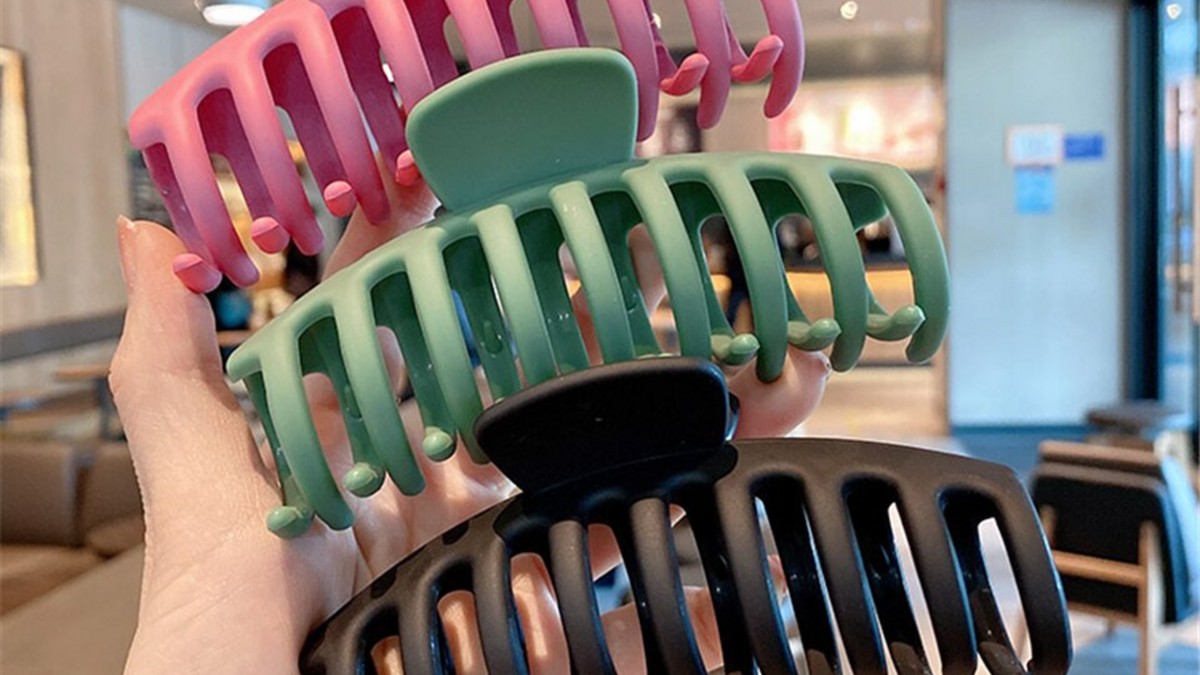
Overall length provides a starting point, but tooth design and hinge construction matter too. Long, closely spaced teeth may capture finer sections, while a wider interior can accommodate a thicker twist. Curved clips may follow the head more closely than flat-backed shapes. Compare listed measurements with a clip you own, then examine side-view photos to estimate capacity.
Look closely at stress points
The hinge, spring, and junction between teeth and body receive repeated pressure. Product photos should show those areas clearly. Customer photos can reveal whether the two sides align and whether decorative pieces sit securely. Avoid assuming that thicker-looking material guarantees strength; construction and intended use matter more than appearance alone.
For comfort, consider where the clip will sit when you drive, work at a chair, or lean back. A deep, rigid clip at the center back of the head may be awkward against a headrest. A flatter style or higher placement may fit a desk-day routine better. If you are building a practical everyday setup, the same function-first thinking appears in our desk accessories guide.
Bows: inspect both fabric and attachment
A bow’s scale can change the entire effect. Compare width and tail length with the back of the head rather than judging a close crop. Structured fabric creates a defined silhouette, while soft fabric drapes and may blend more easily into loose hairstyles. Prints and satin-like finishes are more visually prominent, so they often work best when the outfit has fewer competing details.
The attachment determines usability. An alligator clip offers targeted placement; a barrette generally needs enough hair to close securely; an elastic integrates into a ponytail; and a scrunchie combines decoration with the tie itself. Check which component is included and how it is fastened to the bow. If the listing does not show the back, add that uncertainty to your decision rather than guessing.
Headbands: balance grip and pressure
Headbands need enough tension to stay in place but not so much that they become distracting. Because comfort varies by head shape and sensitivity, no product photo can guarantee fit. Look for measurements, descriptions of flexibility, padded ends, comb-like teeth, or textured interiors. Reviews may provide context, but another shopper’s comfort is not a universal result.
- Wide padded bands make a stronger style statement and may add height near the crown.
- Thin bands are visually lighter but can concentrate pressure in a smaller area.
- Fabric-wrapped styles may coordinate easily with casual outfits.
- Toothed or textured interiors can improve grip but may not suit every scalp or hair type.
Check exposed seams, glue points, embellishments, and end caps in close-ups. Smooth contact surfaces matter because rough edges can catch hair. Follow any listed care directions, especially for fabric, faux pearls, rhinestones, or glued decorations. Hair accessories should be removed gently rather than pulled through tangles.
Coordinate without overmatching
Choose a repeatable palette drawn from your wardrobe: perhaps black and tortoiseshell for daily use, plus one accent color. A bow can echo a shoe or bag rather than matching the top exactly. Headbands can also introduce texture—velvet-like fabric, woven material, or a subtle print—when an outfit is otherwise simple.
Consider season and layering. Bulky bows can compete with high collars, scarves, or jacket hoods, while flatter clips may work more easily. Our seasonal layering guide can help you assess the whole silhouette before choosing a large accessory.
Use a short cart checklist
- Is the size listed, and have you compared it with an accessory you own?
- Does the attachment method support your planned hairstyle?
- Are hinge, teeth, seams, and decorative connections visible?
- Will the profile interfere with glasses, headphones, collars, or headrests?
- Does the color or texture work with at least three outfits?
Conclusion: choose for the hair you actually style
The most useful SHEIN hair accessory is not necessarily the most photographed trend. It is the clip, bow, or headband whose dimensions, attachment, comfort, and visual scale fit your hair and routine. Start with the hairstyle, inspect the construction, and choose a small color story. That turns an impulse accessory into a reliable finishing tool.