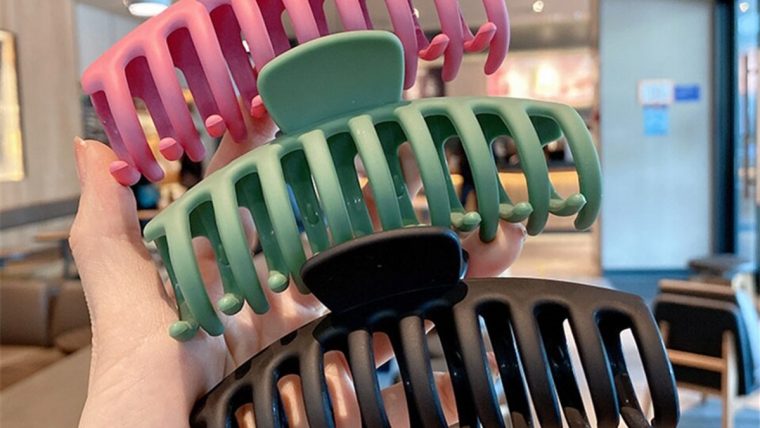

Beauty tools can look simple in a product photo, yet their usefulness depends on details that are easy to miss: materials, edges, grip, cleaning instructions, size, and intended use. Before adding a SHEIN beauty tool to your cart, separate the promise of a routine upgrade from the actual task the object performs. A clear description and a design that fits your habits matter more than novelty.
Define the task in one sentence
“Improve my routine” is too broad. “Keep hair away from my face while cleansing,” “organize brushes upright,” or “apply a mask without using fingers” gives you a testable purpose. If you cannot describe the task precisely, the tool may be solving a problem created by the listing rather than one you already have.
Then check whether a familiar item already performs the same function. Multipurpose tools can save space, but only if every surface can be cleaned appropriately and the design does not compromise the main task. For products trending mainly through short videos, apply the evidence checks in our guide to evaluating a viral SHEIN product.
Read the complete product description
Look for a clearly stated intended use, dimensions, component list, material information, cleaning directions, and any warnings. Do not infer that a tool is suitable for heat, liquids, the eye area, broken skin, or a particular cosmetic formula unless the manufacturer’s description and instructions address that use. Appearance is not evidence of suitability.
- Manual applicators: check tip shape, flexibility, handle length, and whether seams or rough edges are visible.
- Brushes and sponges: review material details, density, dimensions, recommended cleaning, and drying method.
- Storage tools: verify compartment sizes, ventilation, stability, and whether surfaces are easy to wipe.
- Heatless styling tools: confirm the included pieces, dimensions, fastening method, and instructions for use.
- Powered tools: only consider clearly documented power requirements, controls, included parts, warnings, and manufacturer directions.
Prioritize cleanability
A beauty tool repeatedly contacts skin, hair, hands, or cosmetic products. Its design should allow you to reach the surfaces that need cleaning. Deep grooves, fixed absorbent sections, and enclosed joints may hold residue or moisture. Check whether components separate and whether the listing explains how to wash, wipe, dry, or store them.
Plan drying and storage before buying
Washing is only part of care. Ask where the tool will dry without remaining damp or touching a dirty surface. Brush holders need enough ventilation and stability; reusable pads need a realistic drying spot; travel containers should be fully dry before being closed. Follow the manufacturer’s cleaning and replacement guidance rather than inventing a schedule from appearance alone.
Tools should not be shared when the intended use or hygiene instructions advise individual use. Discontinue use if a surface becomes cracked, rough, difficult to clean, or otherwise inconsistent with the maker’s directions. For any irritation or health concern, seek appropriate professional advice instead of treating a fashion marketplace listing as medical guidance.
Assess shape, grip, and scale
Small differences in proportions affect control. A very short handle may be precise but awkward with wet hands. A broad applicator may cover quickly but struggle around narrow areas. Check measurements against your hand, storage drawer, mirror area, or travel case. Customer photos can show scale, but listed dimensions should remain the reference.
Consider mobility and dexterity needs. Textured grips, larger handles, simple closures, and high-contrast parts can make a tool easier to manage. At the same time, added ridges or joints may complicate cleaning. The best design balances handling with care rather than maximizing features.
Be careful with claims and implied results
A tool can help apply, separate, hold, shape, or organize; that does not mean it guarantees a cosmetic or health outcome. Treat before-and-after imagery as presentation, not proof that everyone will get the same result. Look for plain explanations of mechanism and use. Avoid assuming certification, professional suitability, or therapeutic benefit when those points are not explicitly documented by the manufacturer.
For tools used near sensitive areas, with heat, or with electricity, instructions and warnings are essential. Verify compatibility with the intended product and setting. If the listing lacks enough information to make that assessment, skipping the item is a reasonable decision. No trend is worth filling an information gap with a guess.
Compare total routine friction
A useful tool should make the routine easier after accounting for setup, cleaning, drying, storage, and replacement. Score each candidate from one to five on task fit, ease of cleaning, storage, clarity of instructions, and frequency of use. A basic item with a high total often offers more value than a complicated set with several pieces you will not use.
Bundles deserve extra scrutiny. Confirm exactly what is included and measure whether every component fits your space. If the appeal is mainly visual organization, compare the decision process with our small-space organization guide, which focuses on usable capacity rather than staged neatness.
Final pre-cart questions
- Does the listing clearly state the intended use and materials?
- Can every contact surface be cleaned and dried as directed?
- Are dimensions and included components clearly documented?
- Does the shape suit your grip, storage space, and routine?
- Are relevant instructions, warnings, and compatibility details available?
- Will you use it often enough to justify another object to maintain?
Conclusion: information beats novelty
Choose SHEIN beauty tools by task fit, cleanability, handling, and documentation. Verify manufacturer instructions wherever safety or compatibility is involved, and do not treat visual similarity as proof of performance or certification. The right tool has a clear job, fits your space, and can be maintained without adding more effort than it saves.