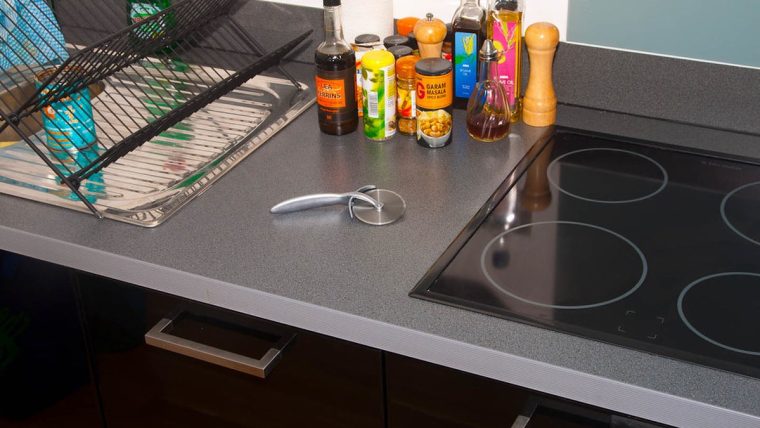
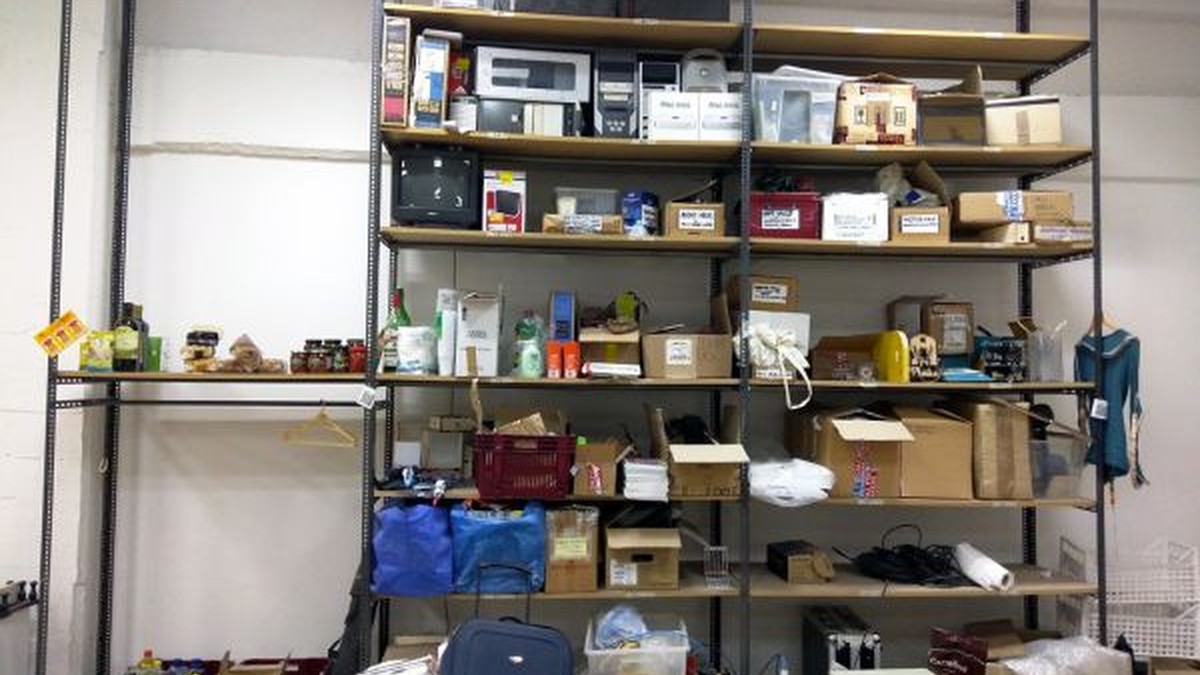
Small-space organization works best when every item solves a specific friction point. A basket may look polished in a product photo, but it is only useful if it fits the shelf, holds the intended objects, and remains easy to reach. Before browsing SHEIN Home, identify the area that repeatedly becomes cluttered. That keeps the search focused on a problem rather than on attractive containers with no assigned purpose.
Start With the Space, Not the Product
Measure the usable width, depth, and height of the exact location. Include hinges, baseboards, shelf supports, doors, and any space needed to pull an organizer forward. For under-bed storage, measure the lowest point of the bed frame rather than the most generous opening. For a cabinet, check whether the door closes around handles or hanging racks.
Write the measurements in your phone and leave a small tolerance. Product dimensions can be presented in different orders, so confirm which number represents each side. If a listing offers several variants, verify that the dimensions shown match the selected option.
Map the clutter before choosing a format
- Frequently used items: favor open bins, trays, hooks, or shallow drawers that allow quick access.
- Seasonal items: consider covered storage that can be labeled and stacked without daily handling.
- Small loose objects: use compartments only when each section is large enough for what you own.
- Mixed categories: separate them first instead of buying one oversized catchall that hides everything.
Evaluate Capacity Honestly
Exterior size does not equal interior capacity. Thick walls, tapered sides, dividers, lids, and frames can reduce usable volume. Look for photos that show the inside from several angles and compare those images with the stated measurements. Customer photos may add context, but they should not replace the listing specifications because buyers may have selected different sizes.
A practical test is to outline the organizer’s footprint with painter’s tape or folded paper. Place the objects you want to store inside that outline. This quick mock-up reveals whether a narrow tray, taller bin, or set of smaller containers makes more sense.
Choose Access That Matches the Routine
An organizer can create more work if it adds lids, buckles, or stacked layers to a simple task. Think through the full motion: taking an item out, using it, and putting it back. Clear containers may help with visibility, while opaque bins can reduce visual noise. Neither is automatically better; the right choice depends on whether seeing the contents supports the habit.
Vertical solutions can reclaim unused wall or door space, but do not assume every surface can support a hanging product. Check the mounting method, intended surface, listed load guidance, and instructions. Avoid placing uncertain adhesive or over-door solutions where falling items could cause damage or block an exit.
Review Materials and Construction
Read the material field instead of judging from a styled image. Flexible fabric bins, rigid plastic organizers, metal racks, and woven-look pieces behave differently under weight and moisture. Review care directions and intended use. A product made for a dry closet may not be appropriate beside a sink, and an organizer described for lightweight accessories should not be repurposed for heavy objects.
- Inspect seams, zipper paths, corners, and connection points in close-up images.
- Check whether shelves or sides need inserts to keep their shape.
- Confirm whether assembly tools or separate mounting hardware are mentioned.
- Look for ventilation when storing textiles, shoes, or items that may retain moisture.
Avoid Buying Organization as Decoration
Matching containers can make a room feel calmer, but uniformity is not the same as function. Begin with one trouble spot and test one organizer where practical. If it works during a normal week, then decide whether the system deserves expansion. This approach reduces duplicate purchases and keeps you from forcing unrelated belongings into the same format.
Color also affects maintenance. Very light fabric may show dust, while intricate textures can take longer to clean. If easy upkeep matters, compare care instructions and surface details before choosing based on color alone. For broader seasonal storage ideas, the guide to layering basics and seasonal outfits can help you decide which clothing needs immediate access and which pieces can rotate out.
Use a Small-Space Buying Checklist
- Name the exact clutter problem and the items involved.
- Measure the location, access path, and clearance.
- Compare usable capacity rather than exterior appearance.
- Confirm material, care, assembly, and intended use.
- Read recent reviews for repeated comments about size or construction.
- Review current shipping and return terms before ordering.
If your clutter includes cords, stands, and compact electronics, pair storage planning with the SHEIN phone accessories guide so organizers do not interfere with charging, ventilation, or daily access.
Conclusion
The best organizer for a small home is not the one that holds the most; it is the one that fits the available space and makes a repeated task easier. Measure first, assign every purchase a job, and favor systems you can maintain without extra steps. Careful comparison turns organization finds into useful infrastructure rather than a new category of clutter.