Wide-leg pants are simple in theory: room through the leg and a broad hem. In practice, small changes in rise, hip shape, fabric, and length can make one pair skim cleanly while another collapses, pulls, or drags. The label “wide leg” tells you very little about how a specific pair will fit your body.
Begin with the rise
Rise controls where the waistband sits and how the pants relate to your torso. Check the front-rise measurement when available, then compare it with pants you own. A high-rise description may sit at the natural waist on one person and below it on someone with a longer torso.
The back rise matters as well, even when it is not listed. Customer side and back photos can show whether the waistband tilts, gaps, or pulls downward. If the crotch seam creates horizontal tension lines, the issue may be insufficient rise or hip room rather than a need for a larger waist.
Read the waistband construction
A flat waistband gives a crisp look but has little tolerance if the measurement is close to yours. Full elastic offers flexibility, though it may add gathering around the waist. A partly elasticized back can balance structure and ease. Drawstrings help fine-tune the waist but do not solve a tight hip or short rise.
- Check whether the waist measurement is for the garment or a recommended body range.
- Look for closures such as a zipper, hook, button, or pull-on waist.
- Inspect belt loops if you expect to use a belt.
- Note whether pleats begin below the waistband or open across the hips.
For a coordinated option, the SHEIN matching sets guide covers the extra challenge of choosing one size for two different garments.
Give the hips and thighs enough room
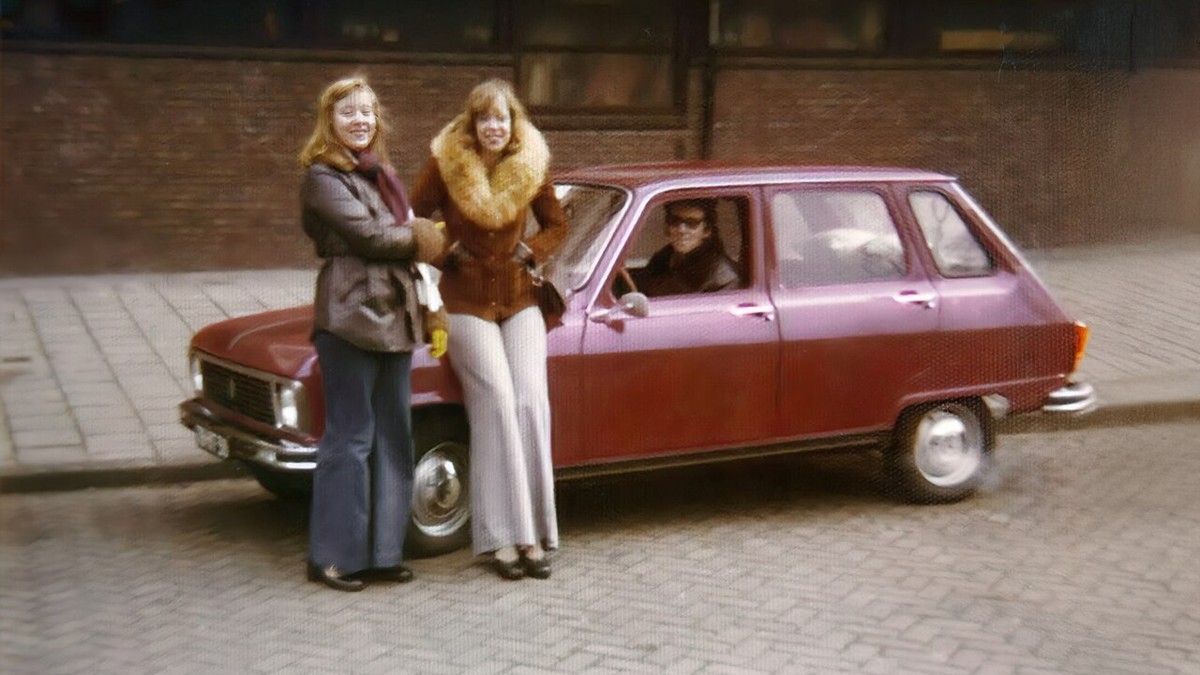
Wide hems do not guarantee space at the upper leg. Some styles fit close through the seat and thigh before widening near the knee. Others fall almost straight from the hip. Product photos taken in motion can exaggerate volume, so find a still front view and inspect the side seam.
Pleats need enough fabric to remain mostly closed while standing. If they spread open immediately, they may add volume in an unintended place. Slash pockets can flare when the hip area is tight. This is both a fit clue and a practical concern if you want pockets that lie flat.
Understand what the fabric will do
Soft, fluid fabric follows movement and creates a relaxed line, but it can cling or reveal pocket outlines. Stiffer woven fabric holds the leg away from the body and may look more tailored, though it can bunch when sitting. Stretch helps with comfort but may change the intended drape if the fabric is pulled tight.
Zoom in for texture, seam visibility, and wrinkles. Reviews can help you judge weight, static, sound, and opacity. Avoid treating one reviewer’s “thin” as a complete verdict; thin may mean cool and fluid to one buyer, or sheer and flimsy to another. Photos and specific descriptions make the comment useful.
Calculate length with shoes in mind
Inseam is the most practical number for full-length pants, but overall length and rise also affect where the hem lands. Measure a pair you own from the crotch seam to the hem. Compare it while wearing the shoe height you expect to pair with the new pants.
Decide on your preferred break
- A cropped hem exposes the ankle and avoids ground contact.
- A no-break length meets the shoe without folding.
- A slight break creates a small fold at the front.
- A floor-skimming hem looks long but should not sit under your heel.
Product styling may use heels, platforms, or a waistband pulled higher than you would wear it. Check the model information if provided, but rely more heavily on garment measurements. Hemming can fix excess length, yet shortening a strongly flared leg may reduce the opening and alter the silhouette.
Hem width changes the whole outfit
Two pairs can share an inseam and still look unrelated because one has a moderate opening and the other has a dramatic sweep. A very wide hem moves beautifully but uses more fabric, catches wind, and can brush stairs or wet pavement. A moderate width is often easier for commuting and repeated wear.
Consider the top as part of the proportion. A close or tucked top shows the waistband and balances volume. An oversized shirt can work too, especially when the fabric is light or the front is partially tucked. The goal is not to follow a fixed balance rule; it is to decide whether you like where the outfit’s volume sits. The layering basics guide has ideas for testing these proportions across seasons.
Watch the common trouble spots
Inspect the front zipper area for pulling, the seat for diagonal lines, and the side seams for twisting. Check whether pockets gape and whether the waistband stays level. On light colors, look for lining, visible seams, or pocket bags. On prints, see whether pattern distortion reveals tension.
Customer photos from the side and back are more informative than repeated front-facing mirror shots. Prioritize reviewers who mention their usual fit preferences and the size they selected, while remembering that body shape and comfort standards differ.
Test movement as soon as they arrive
Try the pants with the intended shoes and top. Sit in a normal chair, climb a few steps, bend, and walk at your usual pace. Make sure the waistband does not roll, the rise stays comfortable, and the hem remains clear of the floor. Keep tags and packaging in the required condition while you decide.
Listing details, stock, and return policies can change. Recheck the current size chart, material description, care instructions, shipping information, and policy before checkout rather than relying on an older screenshot or review.
Practical conclusion
For a reliable wide-leg fit, verify rise, waistband type, hip and thigh shape, fabric behavior, inseam, and hem width. Compare measurements with pants you already like, then include the shoes you will actually wear. The right pair is not simply wide; it hangs cleanly, moves comfortably, and stays practical in your normal day.