
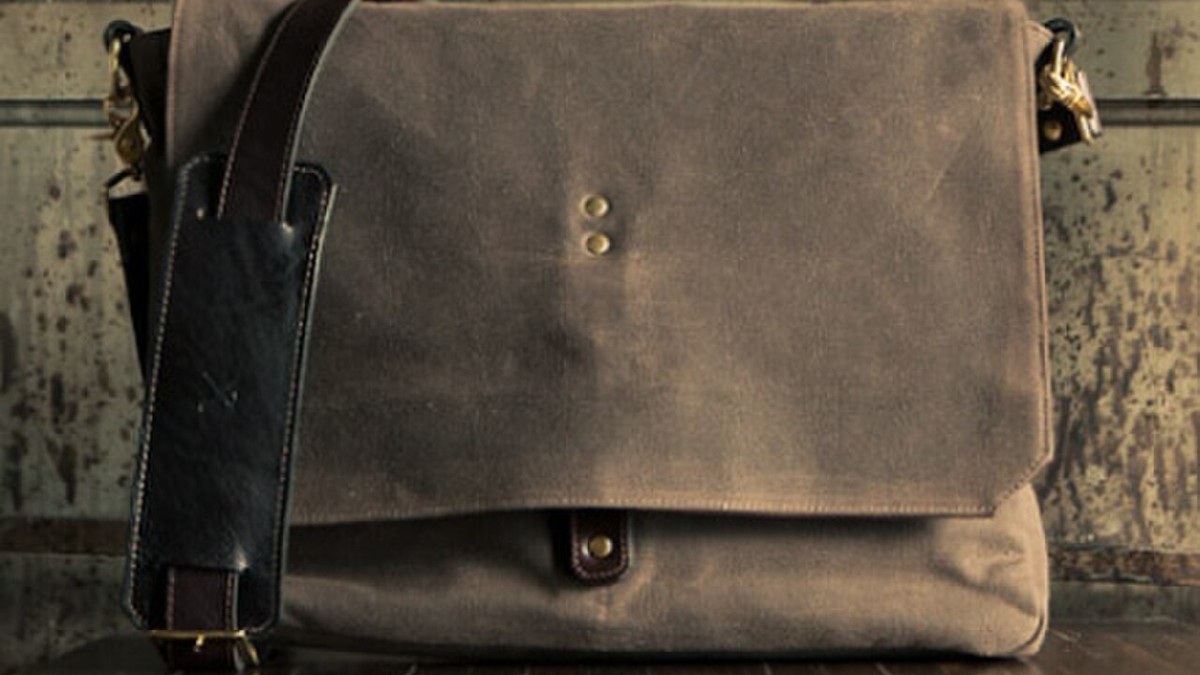
A crossbody bag can look roomy in a close-up photo and still struggle to hold a phone, wallet, and sunglasses. It can also look compact on a model but feel bulky on a shorter frame. The useful clues are usually in the dimensions, strap details, interior photos, and customer images rather than the first styled shot.
Start with what you carry
Before browsing, put your everyday items on a table. That small step gives you a better size target than vague labels such as mini or medium. Measure the longest rigid item, usually a phone or glasses case, and compare it with the bag’s listed length and height. Allow extra room for the zipper opening, lining, and seams.
- For quick errands: phone, card case, keys, and lip balm may be enough.
- For commuting: consider sunglasses, charger, earbuds, sanitizer, and a small pouch.
- For travel: leave space for a passport, portable battery, tissues, and documents.
If you routinely carry a water bottle, notebook, or tablet, check whether a crossbody is still the right category. A small shoulder bag packed past its natural shape is uncomfortable and puts stress on closures and strap anchors. A larger option from the work and school bags guide may suit the job better.
Read dimensions as a three-dimensional shape
Length and height do not tell the full story. Depth, sometimes called width, controls how much the bag can expand. A flat envelope shape may fit a phone but little else. A structured rectangular bag can use its measurements efficiently, while a curved top or tapered sides reduce usable space.
Look for a photo of the base and side profile. Then sketch the listed measurements on paper or compare them with a bag you own. Product images are often shot to emphasize detail, so visual scale alone is unreliable. If the listing includes a size chart, use that current chart rather than measurements quoted in old comments.
Inspect the strap and attachment points
An adjustable strap is only helpful if its range works for your body and preferred carry position. Compare the listed strap length with one you already wear. Decide whether you want the bag high at the ribs, at the hip, or low enough to sit over a coat. A wide strap usually spreads weight more comfortably, while a thin chain or cord can dig in when the bag is full.
Questions worth answering
- Is the strap removable, adjustable, or fixed?
- Do the clips swivel, or can the strap twist while walking?
- Are the attachment tabs stitched into a strong seam?
- Will metal chain sections catch on knitwear or hair?
- Does the buckle sit where it may rub your shoulder?
Customer photos can reveal whether the strap hardware tilts under load. Pay attention to repeated comments about clips opening, edge paint cracking, or tabs pulling away. One isolated complaint may reflect a defective unit; the same issue appearing several times is more informative.
Choose closures for the setting
An open-top bag gives fast access but offers less protection in crowds or on public transportation. Magnetic flaps are convenient, although an overfilled bag may not close securely. Zippers are practical for movement, but the opening needs to be wide enough for your largest item. Decorative turn locks and buckles can add friction every time you reach for your phone.
For travel, consider where the opening sits against your body and whether the zipper pull is easy for you, but less convenient for someone behind you, to reach. No bag prevents theft by itself. Awareness and sensible packing matter more than a marketing phrase.
Check materials without relying on labels alone
A listing may name a general material, yet construction determines how the bag behaves. Look at close photos of corners, seams, piping, and the underside of the flap. Smooth synthetic surfaces can wipe clean easily but may show scratches. Textured finishes can disguise minor marks. Soft fabric bodies pack flat, though they may offer less protection to glasses or electronics.
Color also affects upkeep. Very pale bags can pick up dye transfer from dark denim. High-gloss finishes show fingerprints. Hardware with a bright coating may reveal wear faster at moving points. Reviews written after several uses are more useful than first-impression comments for these questions.
Look inside before deciding
Interior organization should match your habits. A center divider can keep a phone separate from keys, but it also limits space for an odd-shaped case. Tiny slip pockets may not fit a current phone. Dark lining hides marks, while light lining makes small items easier to find.
If you plan to carry tech, group cables and adapters in a pouch; the SHEIN travel organizers guide explains how to compare compact organizers. Avoid assuming that every pictured accessory is included. Read the item description and selected variation carefully.
Use reviews as evidence, not a vote
Filter reviews for photos and scan for people carrying the bag rather than displaying it empty. Compare comments from buyers who mention similar items or a similar use case. Useful observations include whether a phone fits through the opening, whether the strap stays adjusted, whether the bag tips forward, and whether the color matches the listing.
Also check the date and selected variation. Materials, colors, availability, and return terms can change. Confirm the current product page, measurements, included parts, care instructions, and applicable policy before checkout.
Practical conclusion
Choose the smallest crossbody that holds your real essentials without bulging. Verify all three dimensions, the usable opening, strap range, attachment construction, and closure. Then use recent customer photos to test your assumptions. A bag that supports your normal routine is a better buy than one that only works in the hero image.