
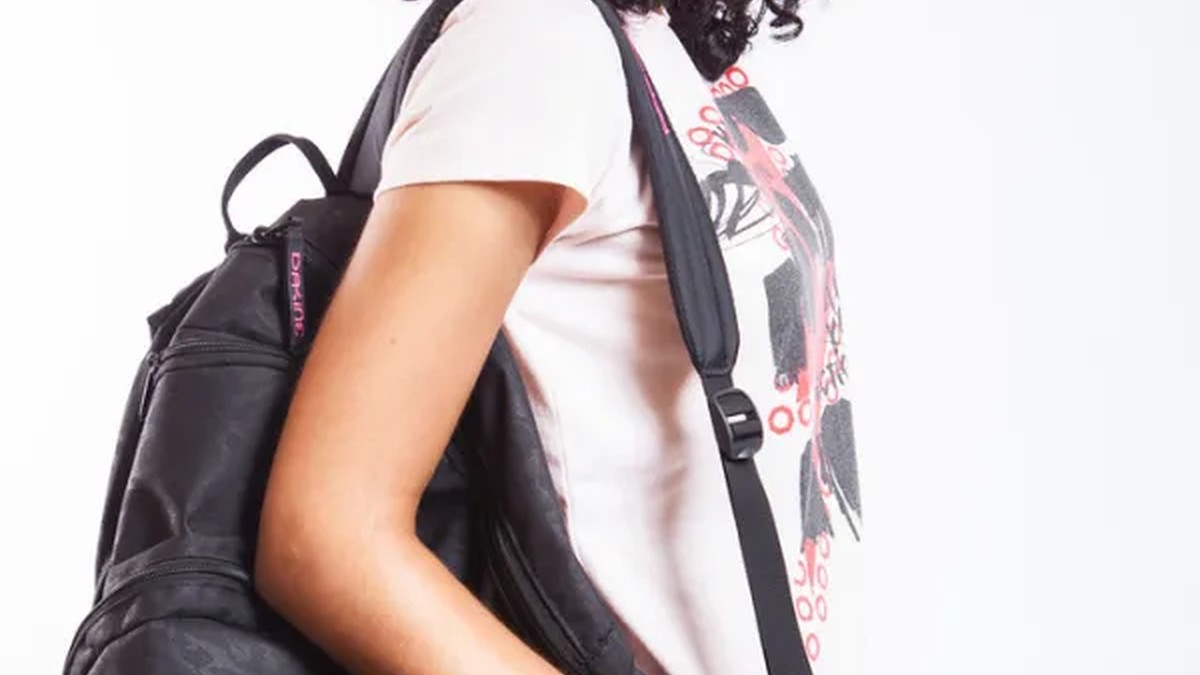
A work or school bag is a daily load-bearing tool, not just an outfit accessory. The right SHEIN bag must fit the objects you actually carry, organize the items you need quickly, and remain comfortable on a realistic commute. Product photos can suggest style, but measurements, compartment layouts, closure details, materials, and stress-point construction determine whether a bag belongs in your routine.
Build a daily carry list
Empty your current bag and list what returns every day. Separate essentials from occasional items. Include the full dimensions of rigid objects such as a laptop, tablet, notebook, lunch container, water bottle, or glasses case. Weight matters too: several compact items can create a heavy load even when they fit easily.
- Always carried: device, keys, wallet, identification, transit item, and necessary personal supplies.
- Work or class specific: folders, books, tools, chargers, headphones, or uniforms.
- Occasional: umbrella, extra layer, lunch, gym item, or special project materials.
This list becomes the brief. A bag that fits occasional extras but is oversized every normal day may be less comfortable and harder to organize.
Translate dimensions into usable capacity
External measurements do not equal clear interior space. Curved corners, padding, seams, dividers, and closures reduce usable dimensions. For a laptop, compare the device’s actual length, width, and thickness with the manufacturer’s stated compartment measurements—not only a general screen-size label. Cases and sleeves add bulk.
Make a physical size model
Mark the listed bag dimensions on paper or create a simple cardboard outline. Place daily items within it, accounting for depth. This exposes conflicts such as a water bottle occupying notebook space or a lunch container preventing the zipper from closing. If the listing does not provide enough measurements to assess a crucial item, treat that as an unresolved compatibility question.
For smaller loads, a crossbody may be sufficient. Our SHEIN crossbody bags guide explains how strap range and opening style affect compact everyday bags.
Choose compartments by access frequency
More pockets do not automatically mean better organization. Each compartment should have a clear resident. Frequently used items belong in secure but accessible areas. Flat documents need space where they will not be folded. Small loose objects benefit from a zipped pocket, while a bottle pocket must match the container’s diameter and height.
- A suspended or padded device section can separate electronics from hard objects, but verify its listed design and dimensions.
- An exterior quick-access pocket is useful only if its closure and placement suit the item.
- Pen loops need appropriate width and should not press ink tips against fabric.
- Light-colored interiors can make small items easier to see.
- Key tethers and removable pouches help only when their attachment points are convenient.
Imagine the bag packed in layers. If reaching a charger requires removing lunch, books, and a sweater, the compartment plan is working against the day.
Evaluate carrying comfort realistically
Comfort depends on load, strap width, adjustability, bag shape, carry time, and the wearer. A soft, wide shoulder strap generally distributes pressure differently from a narrow strap, while two backpack straps can balance a load when adjusted appropriately. Product photos rarely show a bag at your actual packed weight.
Check the listed strap range and drop, then compare it with a bag you own. Inspect where straps join the body. Reinforcement, stitching pattern, hardware, and attachment width are more informative than a decorative strap alone. Top handles should also have enough clearance for the intended grip.
Think about outerwear. A strap that fits over a T-shirt may feel different over a coat, and textured embellishments may catch delicate fabric. The seasonal layering guide can help you account for coat bulk and outfit proportions.
Inspect high-stress areas for durability clues
No listing can guarantee how long a bag will last in your routine, but construction details help comparison. Zoom in on strap anchors, handle bases, zipper ends, bottom corners, seams around pockets, and hardware connections. Check whether the bag has a structured or soft base and whether protective feet are listed. Read the material and care information instead of inferring performance from a leather-like or canvas-like appearance.
Closures should fit the environment
A full zipper offers different access and coverage from a magnetic snap, drawstring, flap, or open top. Consider crowded transit, desk storage, weather exposure, and how often you need to open the bag. Do not assume water resistance, security, or protective performance unless the manufacturer specifically documents it. Follow care and loading guidance provided with the product.
Separate professional style from fragile detail
A bag can express personality without making daily use difficult. Neutral colors and simple hardware often coordinate easily, while contrast stitching, quilting, patches, or bright colors create a focal point. Check whether decorative chains, charms, or protruding elements add noise, weight, snag risk, or desk impact.
Use a three-setting test: picture the bag with your most common outfit, in your usual work or classroom space, and during the commute. A design that looks polished in all three is more versatile than one that works only in a tightly styled photo.
Review before checkout
- Do the usable dimensions accommodate every rigid daily item?
- Is the device compartment clearly measured for your device and its sleeve?
- Does each major pocket have a real purpose?
- Are straps adjustable and plausible for your load and outerwear?
- Can you inspect stitching, anchors, zipper ends, and bottom corners?
- Are material, closure, and care details clearly stated?
- Will the bag fit where you store it at work, school, or home?
Conclusion: design the load before choosing the bag
A useful SHEIN work or school bag begins with an inventory, not a silhouette. Measure rigid items, assign compartments, estimate the real load, and inspect the points that carry stress. Then choose the color and shape that fit your style. This process cannot promise durability, but it creates a more informed comparison and a bag better matched to everyday demands.