A statement top can rescue basic jeans or create a memorable event outfit. It can also spend months unworn because the sleeves do not fit under a jacket, the neckline needs constant adjustment, or the fabric only works in one kind of weather. The difference is usually visible before checkout if you look past the main styling photo.
Define what makes the top a statement
Identify the main feature: volume, color, print, texture, neckline, asymmetry, cutouts, hardware, or embellishment. A top with one dominant idea is often easier to style than a piece combining several. This is not a rule against maximalism. It is a way to understand what the garment asks from the rest of the outfit.
If the feature disappears unless you stand in a particular pose, examine other images. Ruching, draping, and off-shoulder shapes can change when arms rest naturally. Customer photos help reveal the ordinary version of the silhouette.
Start with your existing bottoms
Name three bottoms you would wear with the top. They should already be in your closet, fit now, and suit the same setting. If you can only imagine buying new trousers, a skirt, and shoes to make it work, the top is becoming an outfit project rather than an easy update.
- High-volume sleeves often pair comfortably with a clean waistband and simple leg shape.
- A long or asymmetric hem may need a narrow bottom or a deliberate tuck.
- A cropped top works best when you know the exact rise and coverage of your bottoms.
- A busy print can connect to a neutral or one repeated color you already wear.
Wide trousers can work with a bold top when the proportions feel intentional. Use the wide-leg pants fit guide to check rise and drape before building that combination.
Inspect the neckline without model poses
Necklines affect support, movement, and undergarment choices. Look for straight-on, side, and back photos with relaxed shoulders. A wrap front needs adequate overlap. A square neck can sit differently depending on torso length and bust. Halter ties may place pressure on the neck. One-shoulder shapes can twist if the internal support or fit is weak.
Check whether straps adjust and whether the back has elastic, smocking, a zipper, or ties. Built-in cups, padding, or grip tape should appear in the written details if included; do not infer them from a smooth photo. Confirm the current listing for the selected variation.
Decide how much adjustment you will tolerate
Some tops need occasional attention, and that may be acceptable for dinner or a short event. A top you plan to wear all day should pass a stricter test. Think about reaching overhead, carrying a bag, sitting, dancing, or leaning forward. Reviews that mention slipping, rolling, or gaping are especially relevant.
Details that commonly demand attention
- Off-shoulder elastic can rise when arms move.
- Very short wrap ties may loosen or create uneven tension.
- Boned or corset-inspired seams can press when seated.
- Cutouts may shift and reveal more than the static photo suggests.
- Long ties and fringe can catch on bags, chairs, or jewelry.
There is no prize for enduring an outfit. If you already know you dislike strapless support or tight necklines, a trend is unlikely to change that preference.
Check the fabric against the design
Structured shapes need enough body to hold their form. Draped designs need fabric that falls rather than sticks out. Gathered sections may become bulky in a thick material. Sheer panels should have clean seams because every construction detail remains visible.
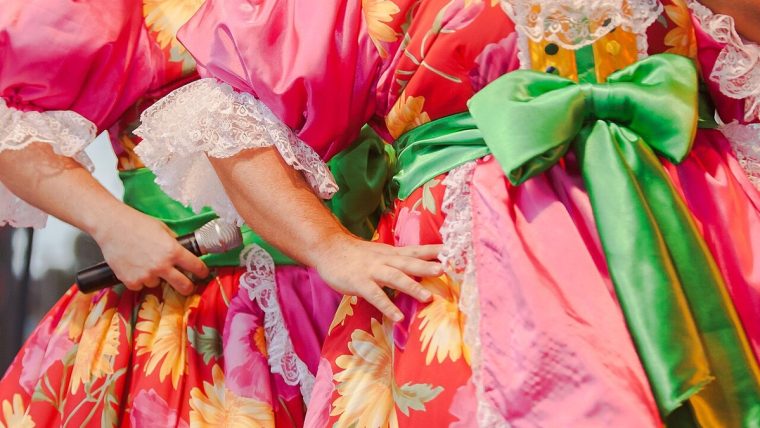
Use close-up images to inspect texture, edges, and attachment points. For sequins, beads, rosettes, bows, or metal details, look at how they are fixed to the garment and how they may contact skin. Decorative pieces can add weight or complicate washing. Read the care instructions before assuming the top fits your routine.
Plan the layer and the bag
Dramatic sleeves may not fit comfortably under a narrow coat. Raised flowers, shoulder bows, and one-shoulder designs can interfere with a crossbody strap. Test the whole outfit using similar pieces at home. If the top needs to remain visible, a roomy coat, open shirt, or scarf may work better than a fitted blazer.
For bags, check strap placement and hardware against delicate fabric. The crossbody bag guide explains how width, attachment points, and closure affect everyday use. Sometimes a small hand-carried bag is the cleaner choice for a heavily detailed top.
Use color and print deliberately
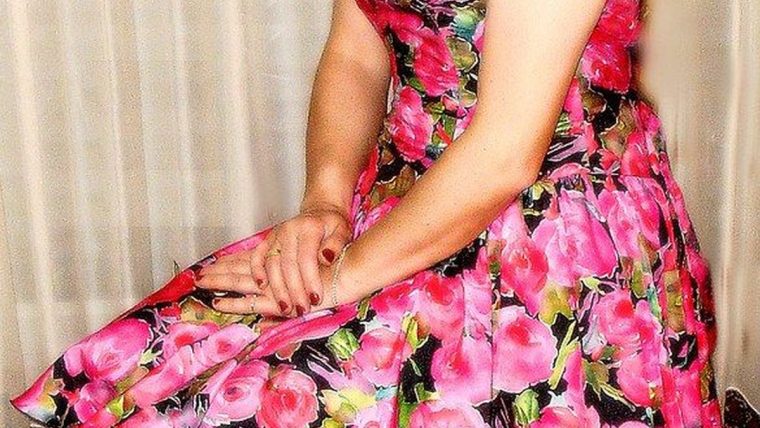
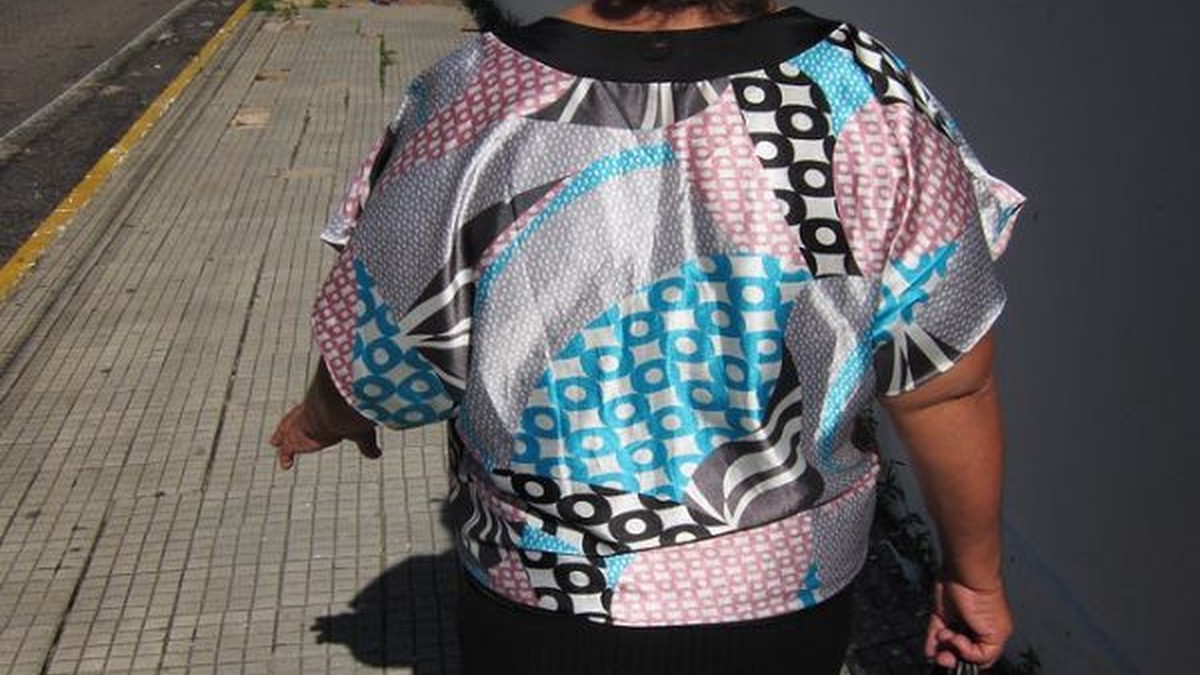
Screen color can differ from fabric in daylight. Review photos may show whether a red leans orange or blue, whether a neutral is warm, and whether a print has stronger contrast than the listing suggests. Print scale also changes with garment size and panel placement.
Do not buy a shade only because it is trending. Place a similar color near your face in natural light, using a garment, fabric sample, or even paper as a rough test. Personal preference matters more than a seasonal color label, especially for a top designed to attract attention.
Estimate wearability honestly
List the places you could wear the top during the next few months. Be specific: a friend’s dinner, an office party with a suitable layer, a concert, or a weekend outing. Then build two complete outfits without adding hypothetical purchases. A statement piece can have fewer wears than a basic and still be worthwhile, but those wears should be plausible.
Availability, item details, and policies may change. Before checkout, review current measurements, material information, included components, care guidance, customer photos, shipping details, and the return policy that applies to you.
Practical conclusion
A wearable statement top has one or two features you genuinely enjoy, a fit that stays in place, and clear partners in your wardrobe. Check neckline support, movement, fabric behavior, embellishment attachment, layering space, and bag contact. If you can build two real outfits and name where you will wear them, the trend has a reasonable chance of leaving the hanger.