A sneaker can match the trend perfectly and still be wrong for your feet. Online photos show color and silhouette well; they do a poor job of showing pressure points, interior seams, flexibility, or how the shoe feels after an hour. A careful listing review cannot guarantee comfort, but it can remove several avoidable mistakes.
Decide what “comfortable” needs to mean
Comfort depends on the job. A sneaker for short dinners and car trips can tolerate details that would become annoying during a travel day. A daily walking shoe needs stable footing, enough toe room, a secure heel, and an interior that does not rub. A fashion platform may feel very different from an athletic-looking shoe even when both use sporty styling.
Write down your intended maximum wear: a brief outing, a normal workday, or hours of walking. Then judge reviews from people using the shoes in a similar way. “So comfortable” after trying them on indoors does not answer a long-distance question.
Measure both feet
Measure your feet later in the day, when they may be slightly larger, while wearing the type of socks planned for the shoes. Trace each foot on paper or use a firm ruler against a wall. Record heel-to-longest-toe length and the widest point. If one foot is larger, size to that foot.
- Compare foot measurements with the current listing’s size guide.
- Confirm which regional sizing system the selected option uses.
- Look for internal length or suggested foot length rather than relying on your usual number.
- Check reviews for the exact variation because different colorways or versions may fit differently.
Do not automatically “size up” based on a few comments without checking why. A narrow toe box, thick lining, short internal length, or a buyer’s sock choice can all produce the same recommendation for different reasons.
Read the toe shape
The outside outline gives a useful clue. A sharply tapered toe may compress the smaller toes even if the shoe is long enough. A rounded or foot-shaped front can offer more space, but photos can exaggerate width because of lens angle. Look for a top-down image and customer photos with the shoes laced normally.
If you regularly need wide footwear, a generic size increase may create excess length without adding enough width in the right place. Check whether the listing explicitly provides width information. If it does not, treat the fit as uncertain rather than assuming the silhouette is roomy.
Inspect the upper and interior
Flexible mesh or soft textile can adapt to the foot, while stiff synthetic panels may hold shape but create pressure at bends. Overlay seams near the little toe, bunion area, or top eyelets can become friction points. Decorative chains, thick stitching, and rigid logos may affect more than appearance.
Look for interior photos. Check collar padding, tongue thickness, heel lining, and visible seams. A very low collar may slip; a high stiff collar may rub the ankle. Removable insoles can make cleaning or replacement easier, but only assume they are removable if the listing or reliable customer evidence says so.
Do not confuse thickness with cushioning
A tall sole can be firm, hollow, flexible, or heavy. Height alone does not reveal impact feel or support. Product photos may show the outsole profile, but customer comments are more useful for stiffness, weight, and the sensation underfoot. Seek descriptions after actual wear, not only unboxing reactions.
Sole clues worth checking
- Deep channels may allow flex, although placement matters.
- A very flat outsole may bend little through the forefoot.
- Raised tread creates visual grip clues but is not a tested performance promise.
- A flared platform changes how the shoe clears steps and pedals.
- An upturned toe can affect the rolling motion of your stride.
No online image can certify traction on wet tile, ice, or loose ground. If the listing does not provide verified performance information, do not assume it. Choose footwear designed and documented for demanding conditions when safety matters.
Check lacing and heel security
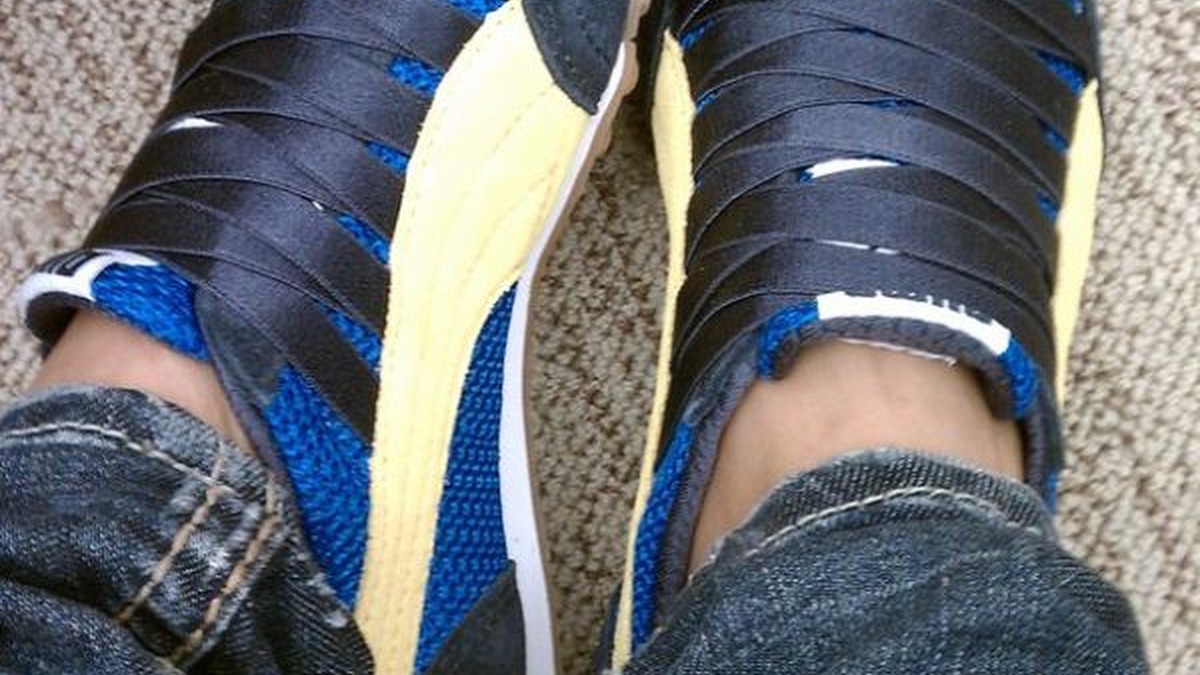
Laces let you adjust volume, but short decorative laces or limited eyelets may offer little control. Slip-on styles need enough stretch to enter and enough hold to keep the heel stable. Heavy shoes that slip at the heel can feel tiring quickly.
Notice whether the tongue is attached or likely to slide sideways. Check the heel counter in customer photos for collapse or rubbing. If reviewers repeatedly mention heel lift, compare their selected size and intended sock thickness before deciding whether the issue applies to you.
Build the outfit before the purchase
Trend-driven sneakers often use thick platforms, retro color panels, metallic finishes, or exaggerated soles. Pair the screenshot mentally with your actual pant lengths and silhouettes. A wide hem may cover most of the design, while a cropped pant exposes the full sole. The wide-leg pants guide can help you coordinate inseam and shoe height.
Also consider the bag and accessories that repeat or compete with the shoe. If you prefer a compact everyday setup, the crossbody bag guide provides a similar function-first checklist.
Use reviews with a narrow question
Search reviews for words linked to your concern: wide, narrow, heel, toe, heavy, stiff, rubbing, walking, or laces. Compare photos of the outsole after wear when available. Repeated observations from different buyers carry more weight than one extreme reaction, but comfort remains personal.
Verify review dates and selected options. Listings, materials, size guidance, stock, and policies can change. Read the current product page, care information, shipping details, and applicable return policy before ordering.
Test carefully on arrival
Try both shoes indoors on a clean surface with the intended socks. Lace them properly, walk, stand, and bend through the forefoot. Notice toe contact, heel movement, arch pressure, ankle rubbing, and whether one foot feels different. Keep packaging and tags in the condition required by the current policy while making your decision.
Practical conclusion
Choose trendy sneakers by job first and silhouette second. Measure both feet, inspect toe shape and interior seams, look for specific comments about weight and flexibility, and avoid inferring technical performance from appearance. A useful fashion sneaker should stay secure and tolerable for the amount of walking you honestly plan to do.