Trendy jewelry can refresh familiar outfits, but a crowded cart is not the same as a useful collection. The pieces that look most intentional usually share a visual idea, suit the wearer’s proportions, and repeat details already present in the wardrobe. When browsing SHEIN jewelry, treat trend labels as inspiration rather than instructions. Product information, measurements, close-up photos, and customer images are more useful than a dramatic styled shot alone.
Start with the role the jewelry needs to play
Before comparing finishes or motifs, decide what is missing. A subtle everyday chain solves a different problem from a sculptural earring for evening outfits. Giving each item a role prevents several attractive pieces from competing for the same limited number of occasions.
- Daily anchor: a simple necklace, small hoop, or low-profile ring that works with repeat outfits.
- Outfit finisher: a medium-scale piece that adds polish without becoming the entire look.
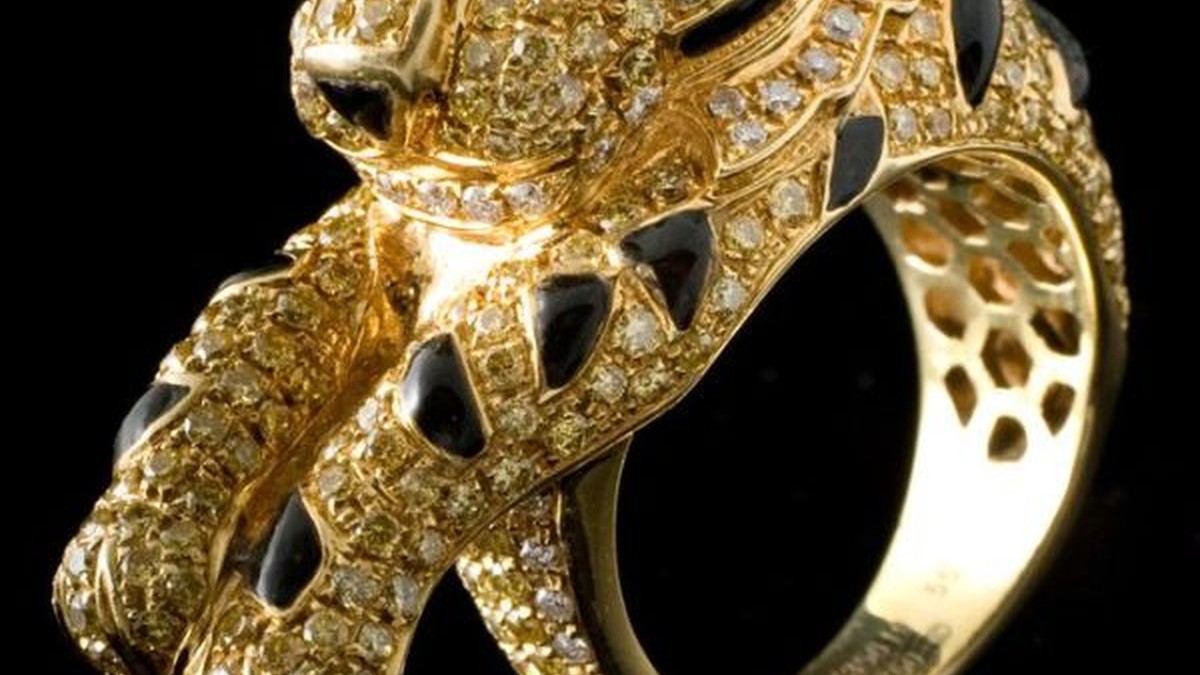
- Statement piece: one high-impact item for simple necklines, monochrome clothing, or special occasions.
- Layering connector: a chain, cuff, or stud that bridges larger pieces without adding another focal point.
Review the tops and dresses you wear most. Necklines, sleeve lengths, and prints affect what will actually be visible. If your wardrobe already features bold color or pattern, quieter jewelry may earn more wear. For a broader approach to balancing dramatic details, the statement tops wearability guide offers useful outfit-level checks.
Choose a visual language, not a matching set
Intentional does not require every item to match. It means the combination has a clear relationship. Repeating one element—metal tone, shape, texture, stone color, or motif—is usually enough. A smooth gold-tone hoop can work with a textured gold-tone chain because the finish connects them. Two silver-tone pieces can still clash if both are oversized and demand attention in different ways.
Use proportion to create hierarchy
Pick one focal point near the face or neckline, then let the other pieces support it. Large earrings often need a simpler necklace. A layered necklace stack generally reads more cleanly with small studs or no earrings. On hands, one broad ring can be balanced by thinner bands rather than several equally heavy designs.
Check listed dimensions instead of relying on zoomed photographs. Note pendant length, hoop diameter, chain length, ring width, and approximate weight when provided. Compare those numbers with an item you already own. This quick measurement test helps reveal whether a “delicate” necklace is truly subtle or whether an earring may feel larger than expected.
Read material and construction details carefully
Color names such as gold, silver, or rose gold often describe appearance, not composition. Read the material field and care information for each listing. Look for clear statements about the base material, plating, stones, beads, enamel, posts, clasps, and adjustable sections. Do not infer precious-metal content, skin compatibility, water resistance, or tarnish performance when the description does not explicitly address it.
- Inspect close-ups for even plating, securely seated stones, smooth edges, and centered components.
- Check whether earrings use posts, hooks, clips, or hinged closures, and whether backs are included.
- For necklaces and bracelets, identify the clasp style and the usable adjustment range.
- For rings, confirm whether sizing is fixed, open, or adjustable and compare the size chart with an actual finger measurement.
If you have sensitivities, rely on the listed composition and manufacturer guidance rather than visual appearance or customer assumptions. Stop wearing any accessory that causes irritation. Fashion jewelry also tends to benefit from being kept away from moisture, cosmetics, and friction unless the maker’s instructions say otherwise.
Evaluate trends against your real outfits
Popular motifs—bows, hearts, shells, chunky chains, floral forms, mixed metals, or oversized cuffs—can be useful when they connect to clothing you already own. Make a three-outfit test before adding an item to cart. Name three specific combinations, including shoes and neckline. If the piece works only with an imagined future wardrobe, it may be a costume purchase rather than a practical trend update.
Mixed metals can look deliberate when repeated. For example, a two-tone watch, belt buckle, or bag hardware can connect silver- and gold-tone jewelry. Likewise, a pearl-like detail can echo buttons or a bag embellishment without requiring a complete matching set. The goal is visual repetition, not exact duplication.
Build layers with spacing and restraint
For necklaces, vary lengths enough that pendants do not sit directly on top of one another. Combine one textured chain with one smoother chain, and limit the number of charms. For bracelets, leave some bare wrist or pair one rigid shape with a flexible chain. Earring stacks look cohesive when scale decreases as they move up the ear.
Save screenshots or product images together before ordering. Viewing the pieces on one page exposes repeated purchases and competing focal points. Apply the same budget discipline used in the SHEIN trend wishlist guide: rank versatility, replaceability, and likely frequency of wear before novelty.
Conclusion: edit the trend before wearing it
A considered jewelry collection starts with roles, measurements, and material details—not with buying every current motif. Choose one visual connection, establish a clear focal point, and test each item against real outfits. SHEIN jewelry trends can then become small, flexible updates that express your style without making your accessories feel accidental.